Occupational Therapy Services at Little Wins Therapy
What is Occupational Therapy
Occupational Therapy helps children develop the everyday skills they need to participate confidently at home, in school, and in their community. It focuses on how children move, play, learn, organise themselves, regulate emotions, and manage daily routines. By understanding a child’s strengths and barriers, Occupational Therapists create practical, achievable strategies that support independence, confidence, and wellbeing.
Areas Covered by Occupational Therapy
Occupational Therapists support a wide range of functional, sensory, and developmental needs. This includes fine motor skills, gross motor skills, handwriting, sensory processing, self‑care skills, emotional regulation, visual perception, and motor planning. OT also supports children who struggle with attention, organisation, coordination, or participation in school routines.
What Assessment Looks Like
An Occupational Therapy assessment explores how a child manages the physical, sensory, and organisational demands of daily life. This may include play‑based activities, movement and coordination tasks, sensory profiling, functional observations in class, and conversations with parents and staff. The aim is to build a clear picture of what supports the child best and create practical recommendations that can be used across home and school.
What Therapy Looks Like
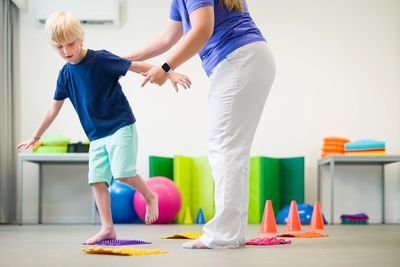
Occupational Therapy sessions are hands‑on, playful, and tailored to each child’s goals. Therapy may include sensory‑based activities, fine motor skill‑building, movement and coordination work, self‑care practice, and environmental adaptations. We also model strategies for adults so support continues beyond the session. The focus is always on small, achievable steps that build confidence, independence, and participation.
Impact of Occupational Therapy
Occupational Therapy can have a significant impact on a child’s confidence, independence, and emotional wellbeing. Over time, children may show improved coordination, handwriting, attention, sensory regulation, and ability to manage daily routines. Many experience reduced frustration, better emotional control, and greater readiness to learn. By supporting both the child and their environment, OT helps create meaningful “little wins” that lead to long‑term functional success.