Sensory Integration Therapy and Assessment
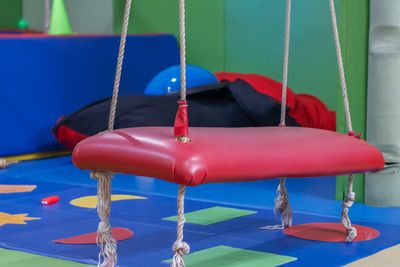
What is Sensory Integration
Sensory Integration is the way the brain receives, organises, and responds to information from the senses so a child can move, learn, play, and take part in everyday life. When this process is difficult, children may struggle with regulation, attention, coordination, emotions, or participation in school routines. Ayres Sensory Integration® (ASI) therapy helps children make sense of sensory information through structured, playful, movement‑based activities that build confidence, regulation, and functional skills.
What Areas Link to Sensory Integration
Sensory Integration supports children with a wide range of sensory and functional needs, including sensory modulation (over‑ or under‑responsiveness), sensory discrimination, motor planning, postural control, bilateral coordination, body awareness, tactile processing, vestibular processing, and interoception. SI also supports children who struggle with emotional regulation, attention, organisation, feeding, and participation in daily routines.
Who Can Assess and Provide Therapy for Sensory Integration Needs
Not all Therapists are trained in Ayres Sensory Integration®. To deliver authentic ASI assessment and therapy, a therapist must have post‑graduate, accredited SI training that includes theory, clinical reasoning, assessment tools, and hands‑on practice. Look for therapists who have completed ASI Levels 1–4 or equivalent recognised pathways (e.g., CLASI, Sensory Integration Education). A qualified SI practitioner will be able to use standardised SI assessments, work in a specialist sensory space, and deliver therapy that follows the ASI Fidelity Measure, ensuring the approach is evidence‑based and not a generalised “sensory” intervention.
Impact of Sensory Integration Therapy
Sensory Integration therapy can lead to improvements in emotional regulation, attention, coordination, confidence, and participation in daily routines. Children may show better body awareness, smoother movement patterns, improved motor planning, and greater ability to stay calm, organised, and ready to learn. Families and schools often notice reduced frustration, more consistent engagement, and increased independence. Over time, these small sensory‑based “wins” support long‑term functional success.